

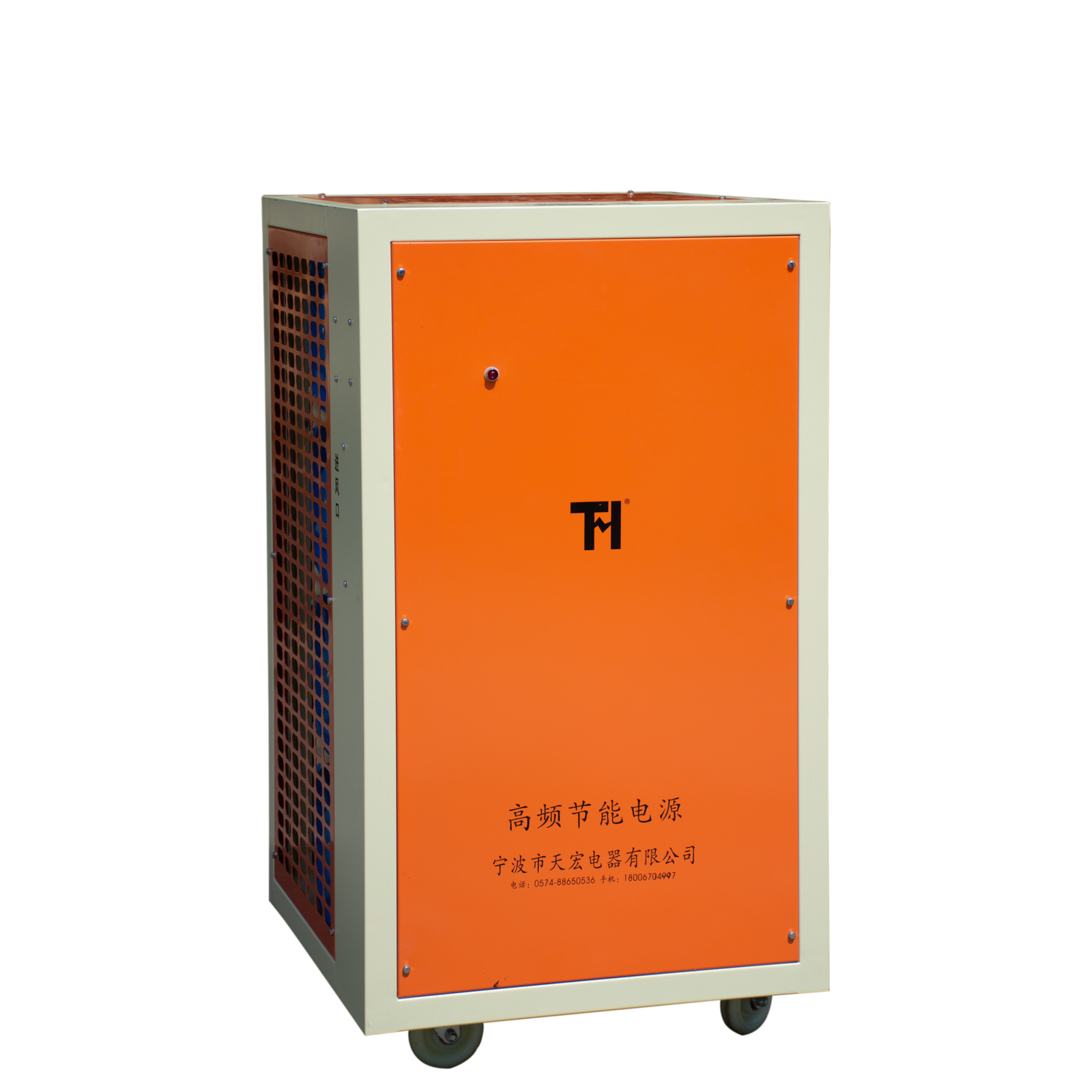
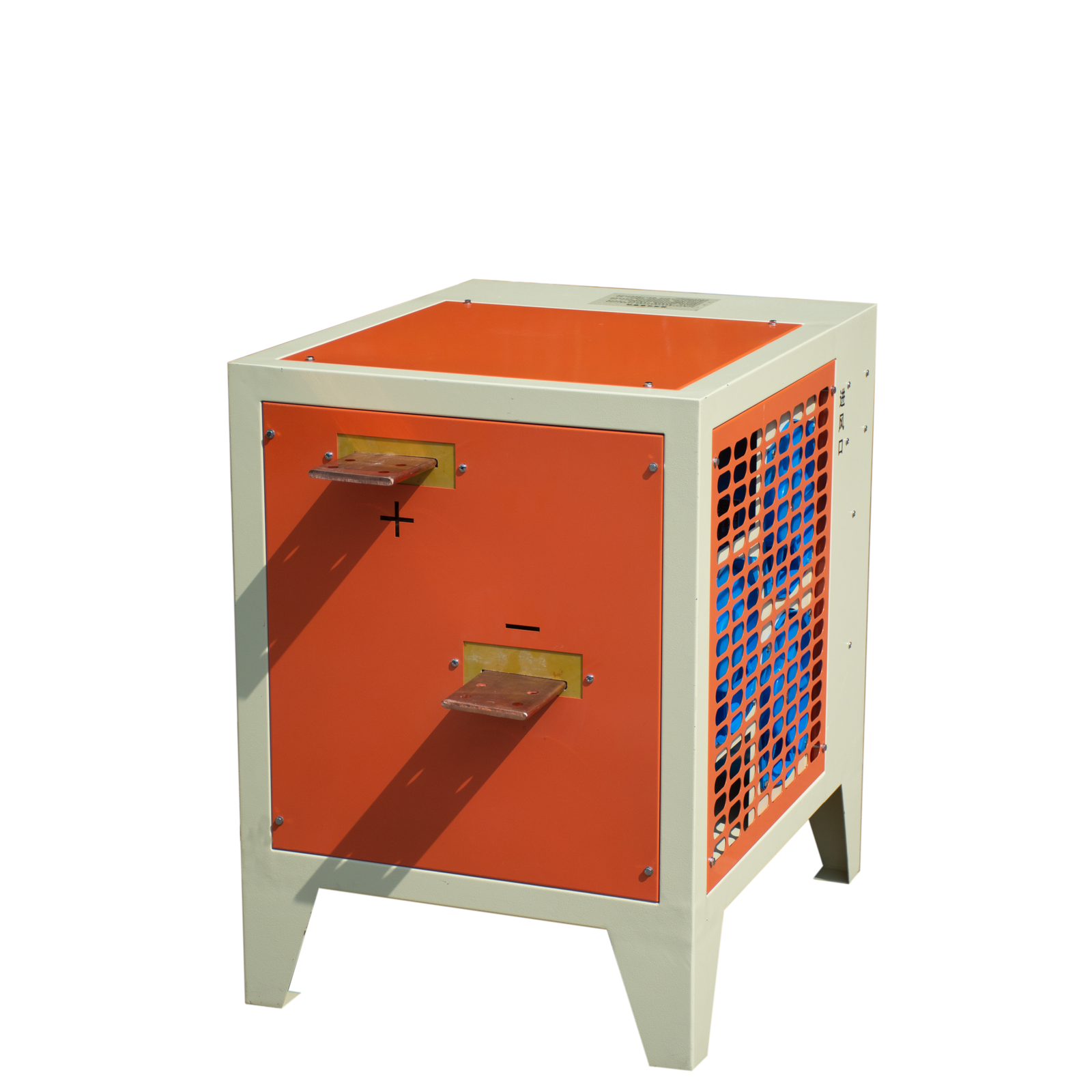
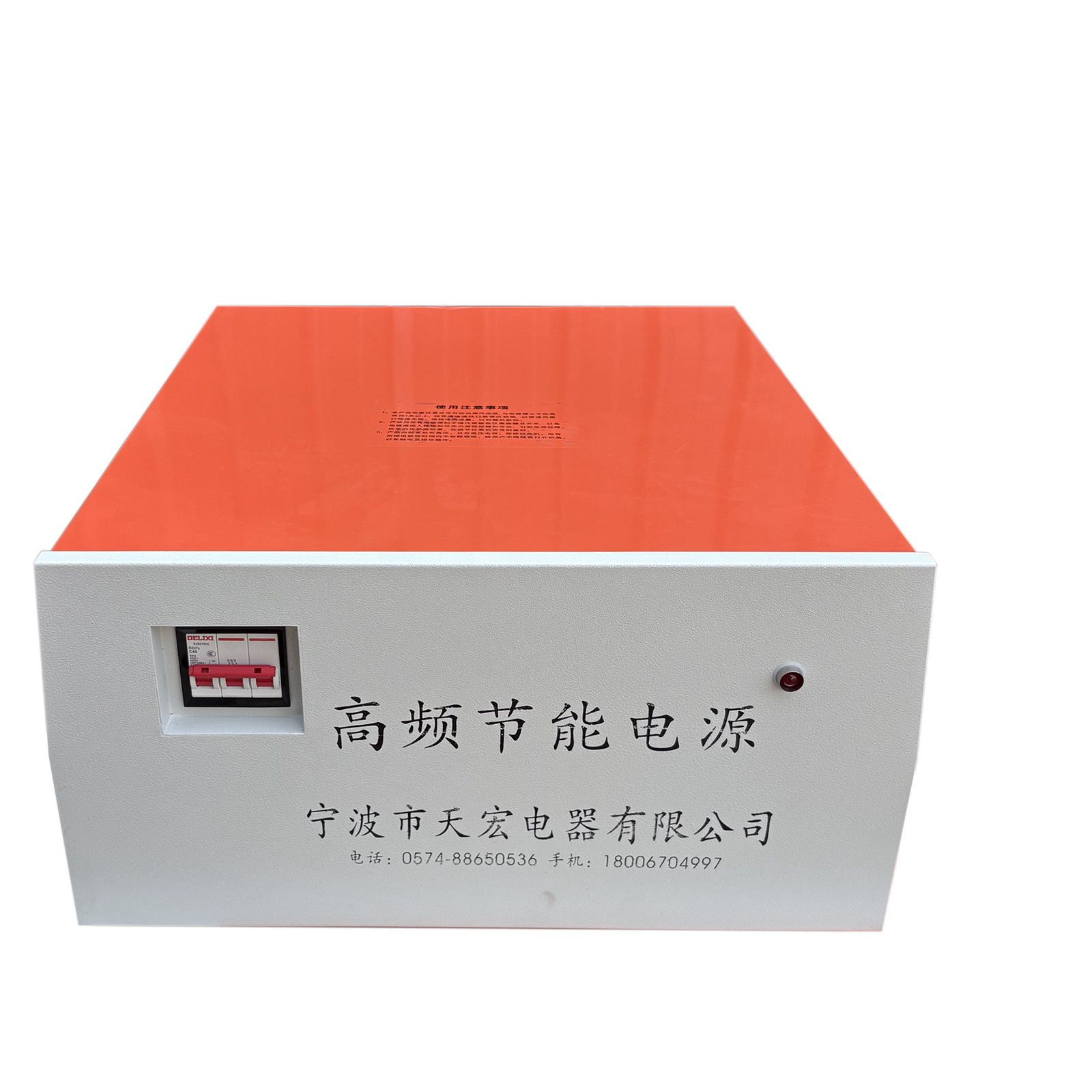
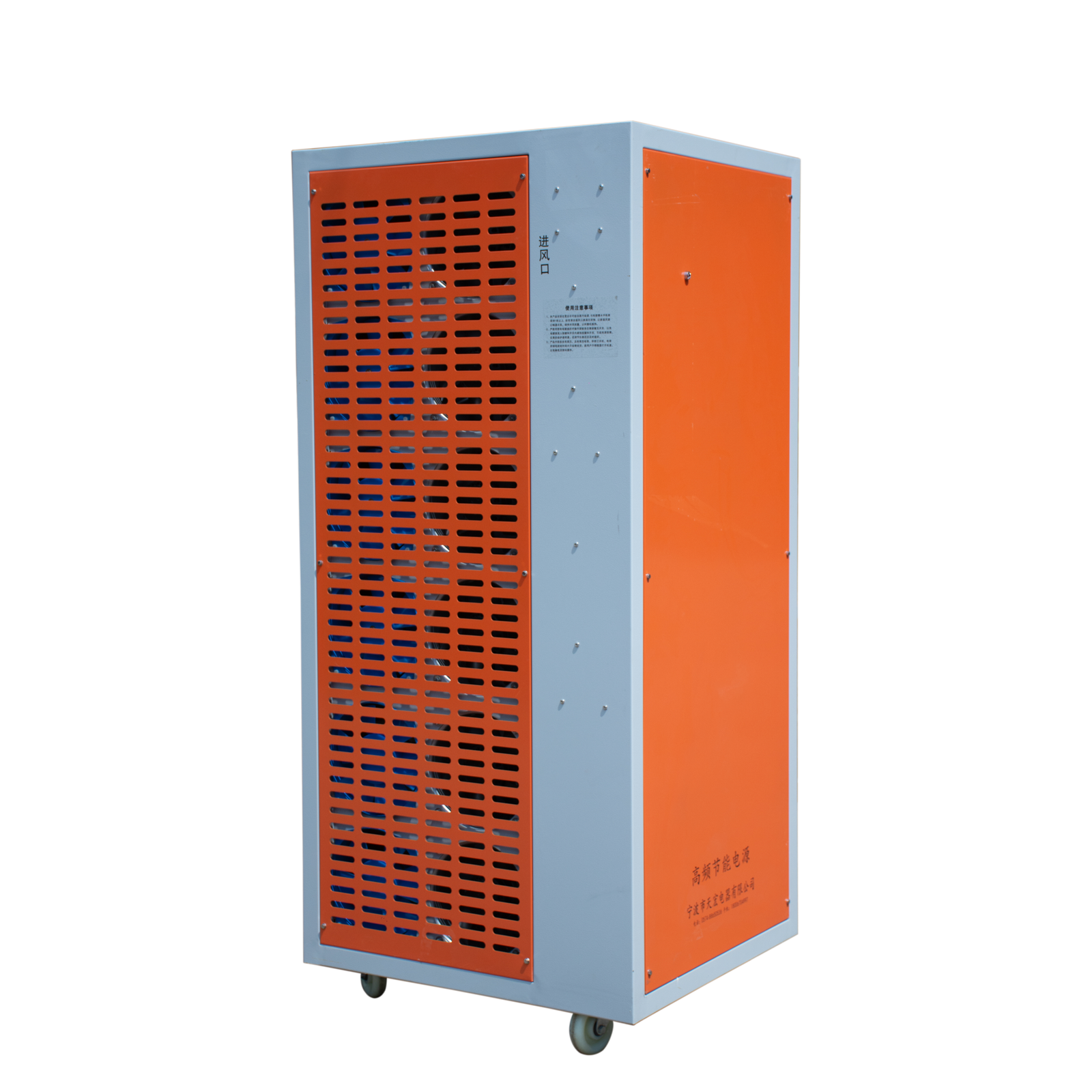
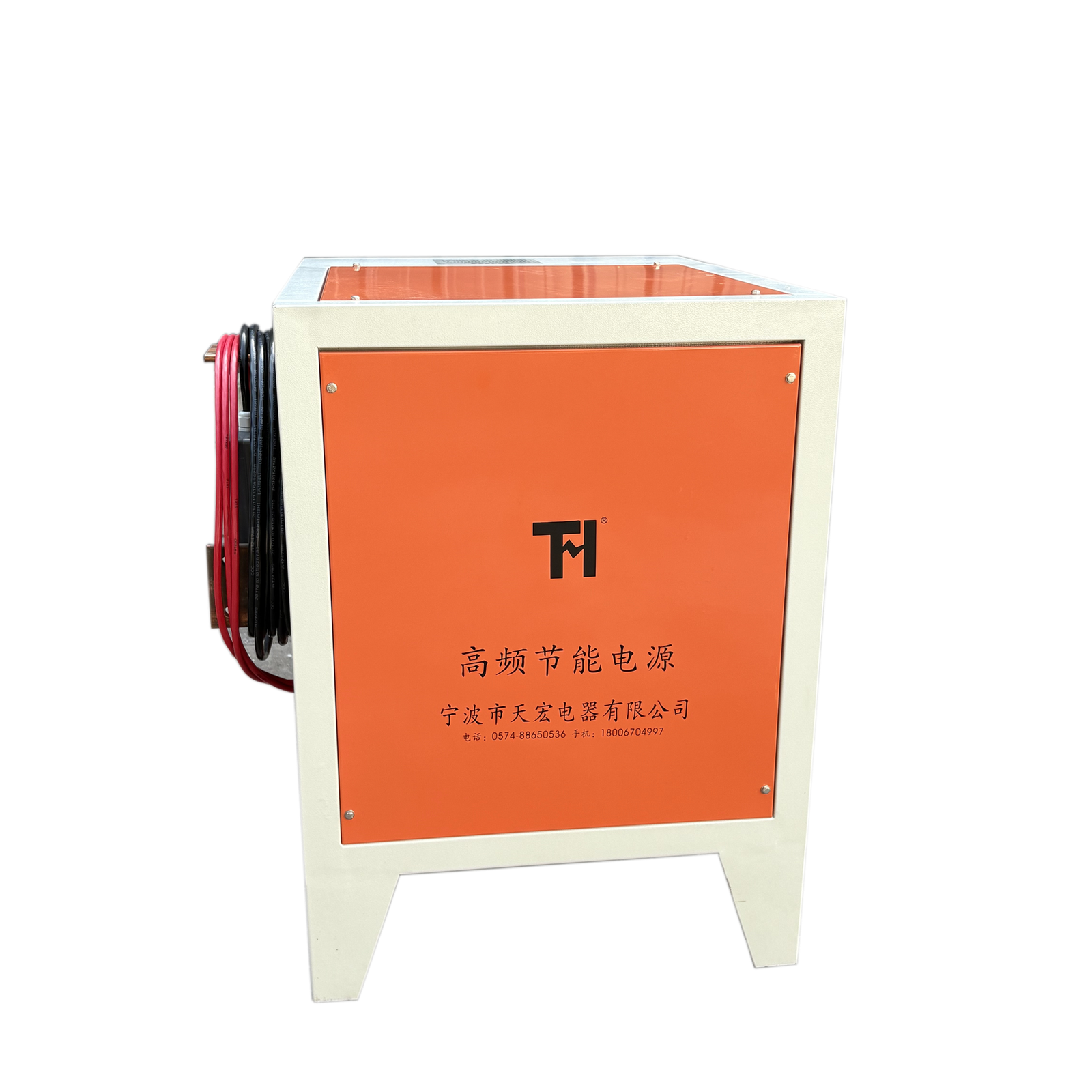
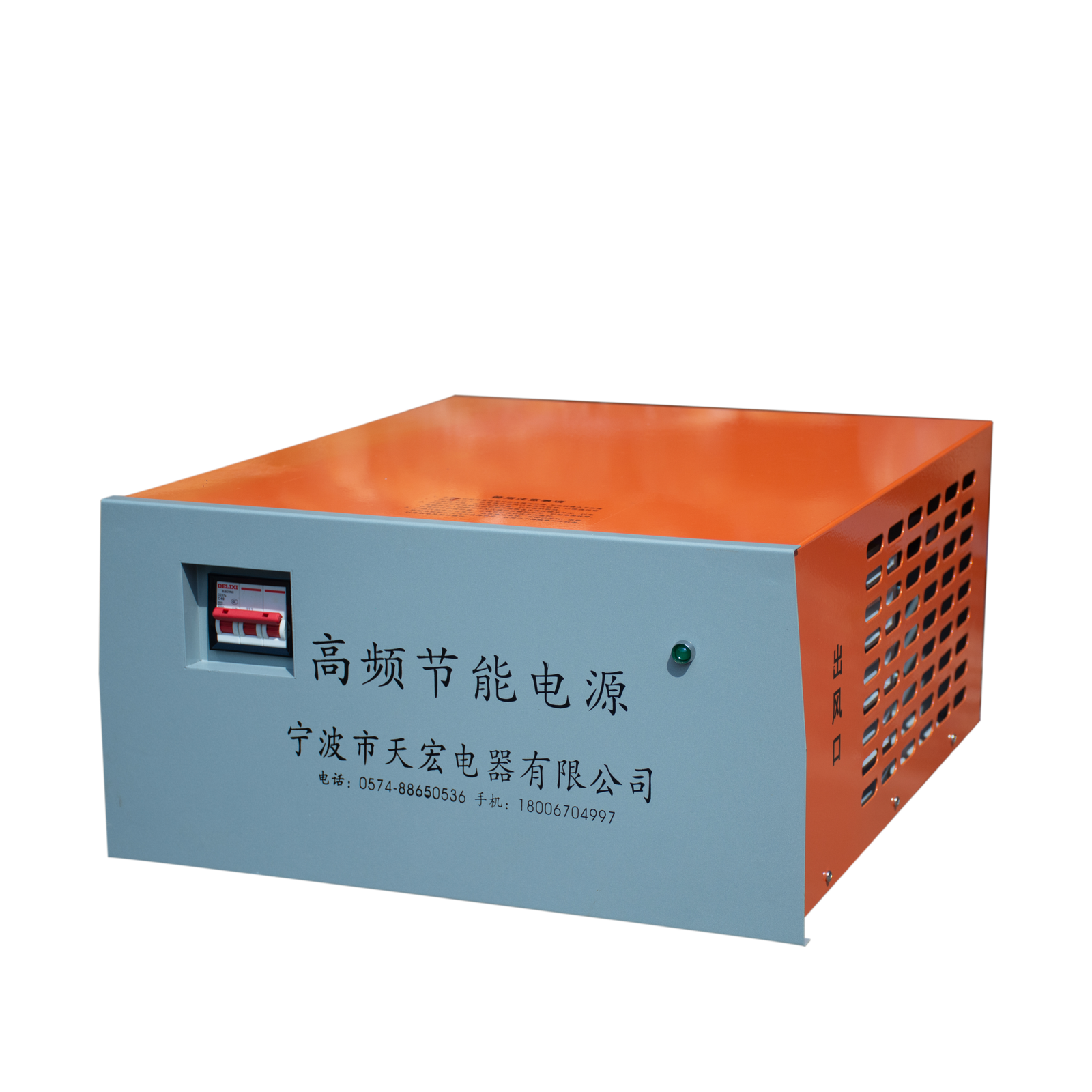
Oxidation Power Supply
An Oxidation Power Supply is a highly specialized industrial DC power system engineered to provide precise, stable, and adjustable electrical energy for a variety of electrochemical oxidation processes. These processes include anodizing, surface passivation, electrochemical oxidation of metals and alloys, and other advanced surface engineering treatments. Oxidation processes are essential for improving surface characteristics such as corrosion resistance, wear resistance, electrical insulation, hardness, thermal stability, and aesthetic appearance. The performance of an oxidation power supply directly determines the quality, uniformity, and durability of the oxide layers produced, making it a cornerstone in modern industrial production.
In essence, the oxidation power supply is more than just a source of electricity—it is a process-critical instrument that dictates the success of electrochemical reactions. By providing stable voltage and current with minimal ripple and rapid response to load variations, the device ensures that electrochemical reactions proceed under precisely controlled conditions. This is particularly important for applications requiring uniform oxide layer thickness, controlled porosity, consistent coloration, and predictable surface hardness. Without such stability and control, the resulting coatings may suffer from defects such as uneven thickness, surface pitting, cracking, or poor adhesion, all of which compromise both functional and aesthetic quality.
Industry applications of oxidation power supplies are extensive. In the metal finishing and construction sectors, anodizing of aluminum, titanium, magnesium, and other non-ferrous metals produces durable, corrosion-resistant surfaces used in architectural panels, machinery parts, and household appliances. In aerospace and defense, anodized components improve the lifespan and reliability of critical parts such as aircraft fuselages, satellite structures, and high-performance military equipment. The lightweight and protective properties of anodized titanium and aluminum make them indispensable for applications where performance and durability are non-negotiable.
In the automotive industry, oxidation power supplies are used to treat aluminum, magnesium, and other alloy components, enhancing corrosion resistance, wear resistance, and aesthetic finish. From engine parts and chassis components to decorative trims, anodized surfaces provide both functionality and visual appeal, improving vehicle longevity and consumer satisfaction. Similarly, in the electronics sector, anodized aluminum enclosures, connectors, heat sinks, and circuit boards benefit from enhanced insulation, corrosion resistance, and thermal management, while meeting the stringent reliability and safety standards demanded by consumer electronics, industrial devices, and communication equipment.
Oxidation power supplies are also critical in the renewable energy and green technology sectors. In solar panel frames, electric vehicle battery casings, and hydrogen storage systems, uniform and durable oxide layers protect components from environmental degradation and mechanical wear. The stability and precision of the power supply directly affect the efficiency, reliability, and lifespan of these high-value components. With the global push for sustainable energy solutions, oxidation power supplies play an increasingly strategic role in enabling high-quality, durable, and environmentally friendly surface treatments.
From a technological perspective, modern oxidation power supplies incorporate advanced digital control systems, energy-saving features, and automated process management capabilities. Programmable output modes—including constant current, constant voltage, and pulsed current—allow operators to tailor electrical parameters to specific materials and process requirements. Advanced units offer real-time monitoring, fault detection, remote communication, and data logging, enabling integration into Industry 4.0 and smart manufacturing environments. These capabilities not only ensure precise and repeatable coating results but also improve energy efficiency, reduce material waste, minimize manual intervention, and extend the operational lifespan of both the power supply and the electrochemical equipment.
High-capacity oxidation power supplies are capable of supporting large-scale, continuous production lines, where consistent performance across multiple anodizing baths is crucial. These systems are designed to withstand heavy loads and prolonged operation while maintaining tight control over current and voltage parameters. This robustness ensures uniform coating quality, reduces downtime, and enhances overall production efficiency—key factors in high-volume industrial operations.
In research and development, oxidation power supplies enable precise experimentation with process parameters, electrolyte composition, current density, and voltage profiles. Engineers and material scientists can investigate the effects of these variables on oxide layer morphology, hardness, thickness, color, and corrosion resistance. Such capabilities are critical for developing innovative coatings for emerging applications, optimizing existing processes, and meeting increasingly stringent industrial standards. From aerospace-grade protective coatings to high-performance battery electrodes, the ability to fine-tune electrochemical oxidation processes is a major advantage provided by modern power supplies.
Moreover, oxidation power supplies are at the forefront of technological innovation in surface engineering. Advanced units support complex multi-step anodizing processes, dual-metal coatings, and controlled pore formation, allowing manufacturers to achieve functional and decorative finishes that were previously difficult or impossible to obtain. These innovations open opportunities in premium consumer products, medical devices, electronics, and other high-value markets.
In summary, the Oxidation Power Supply is a foundational element of industrial oxidation, anodizing, and surface treatment operations. Its role extends far beyond simply providing electrical power; it ensures process consistency, product reliability, and operational efficiency. Across traditional manufacturing, high-tech industries, and green energy applications, oxidation power supplies enable uniform, durable, and high-performance oxide layers that meet modern industrial demands. As manufacturing evolves toward higher precision, automation, sustainability, and Industry 4.0 integration, the importance of advanced oxidation power supplies continues to grow. They empower manufacturers to optimize processes, improve product quality, reduce costs, and maintain competitive advantage in increasingly complex and demanding markets.
By combining stability, precision, advanced control, and intelligent monitoring, oxidation power supplies are not only a technical requirement but also a strategic asset in modern industrial production, ensuring that electrochemical surface treatments meet both functional and aesthetic standards while supporting long-term growth, sustainability, and innovation.