

Get In Touch

Your Reliable Partner for Tailored High-Frequency Power.

Contacts
Location
No.1, Dongqiao Road, Fangqiao Industrial Zone, Fangqiao Street, Fenghua District, Ningbo City, Zhejiang Province
Follow us

Service Details

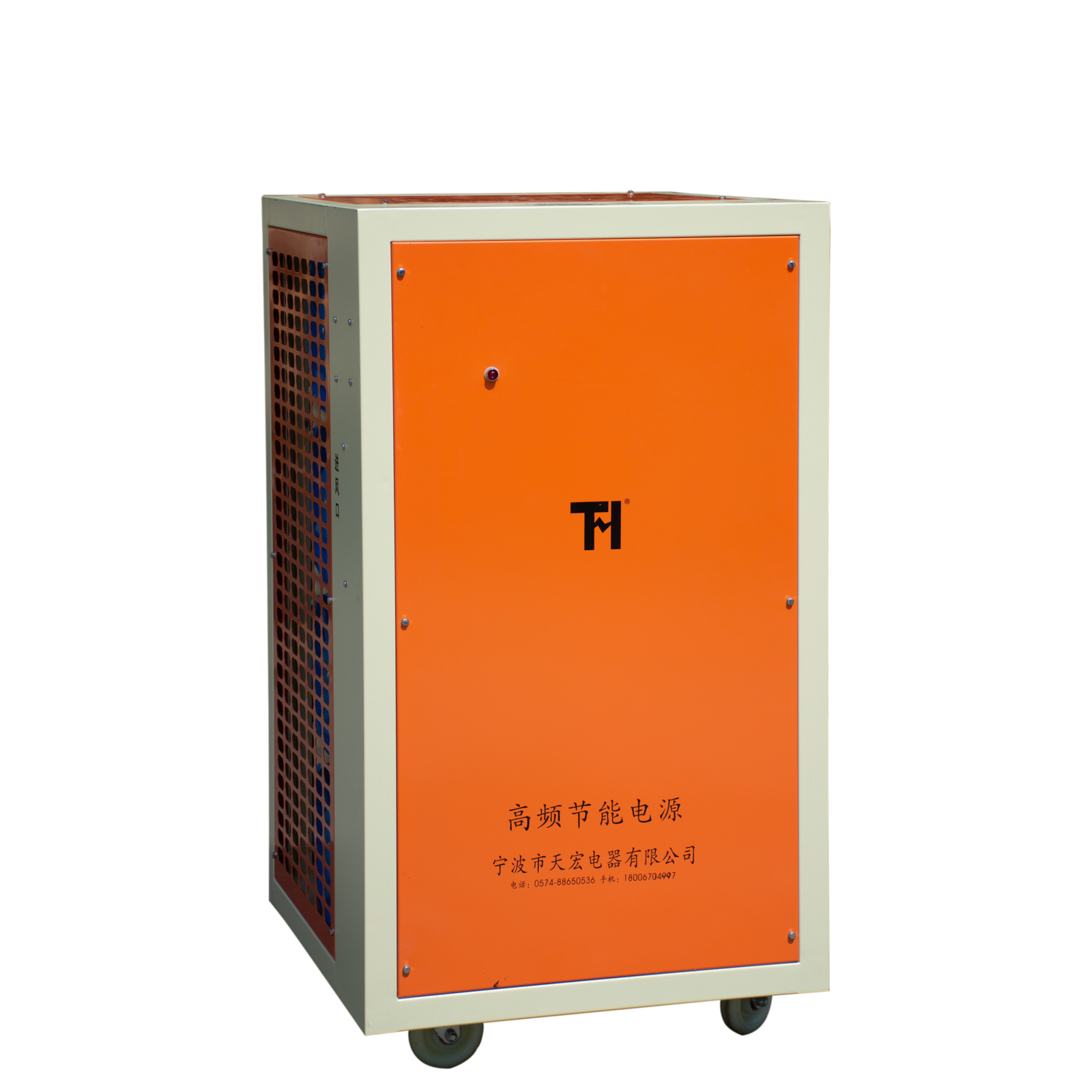
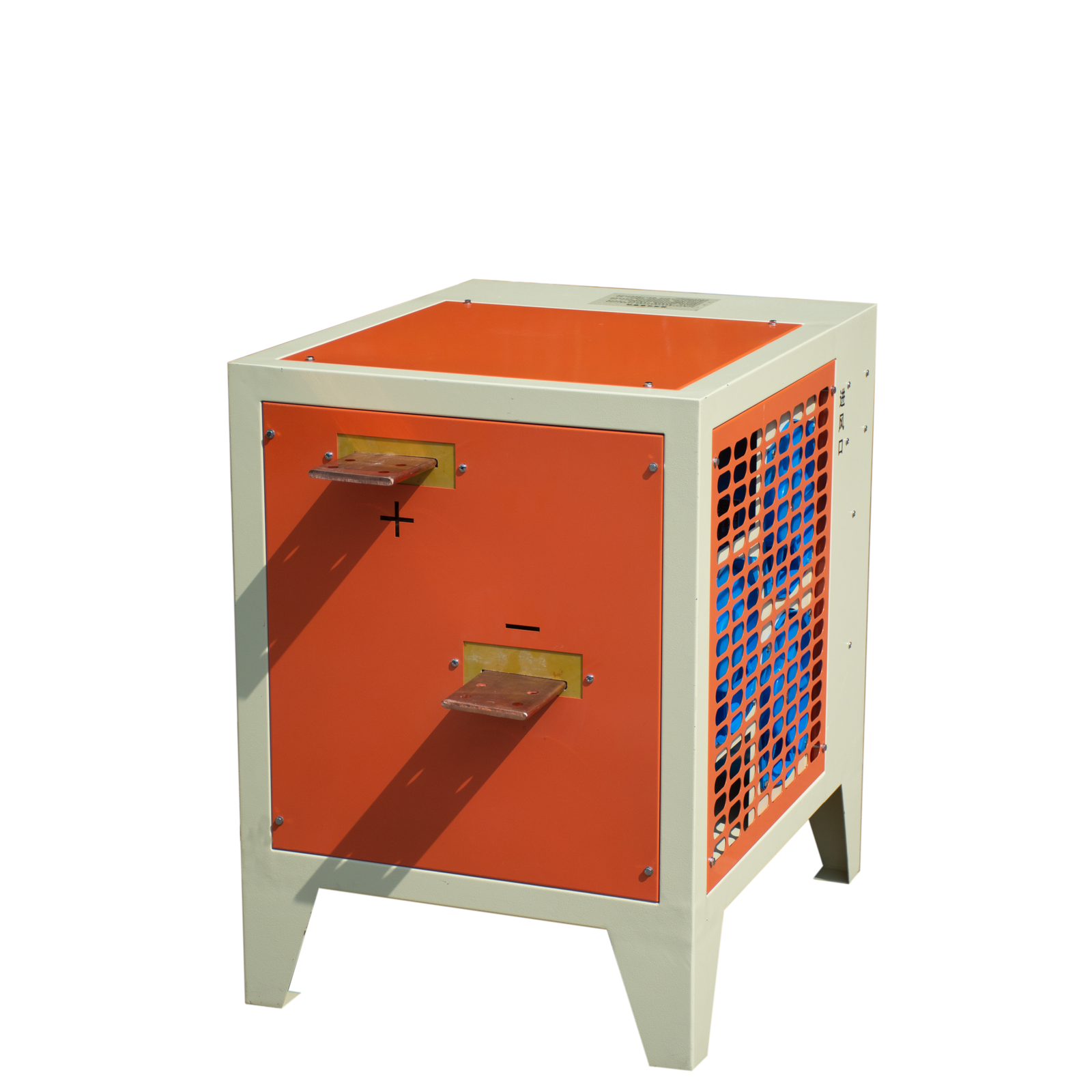
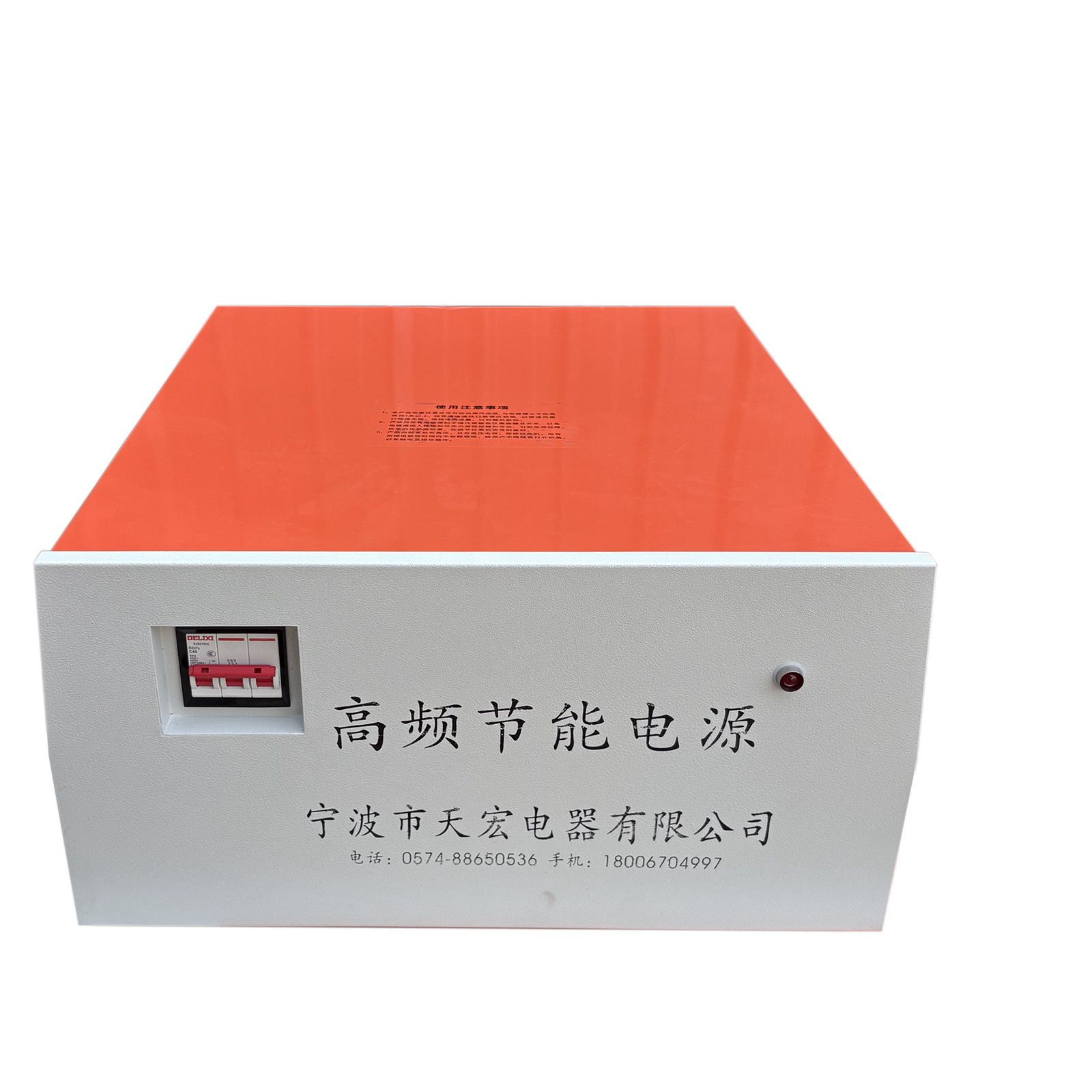
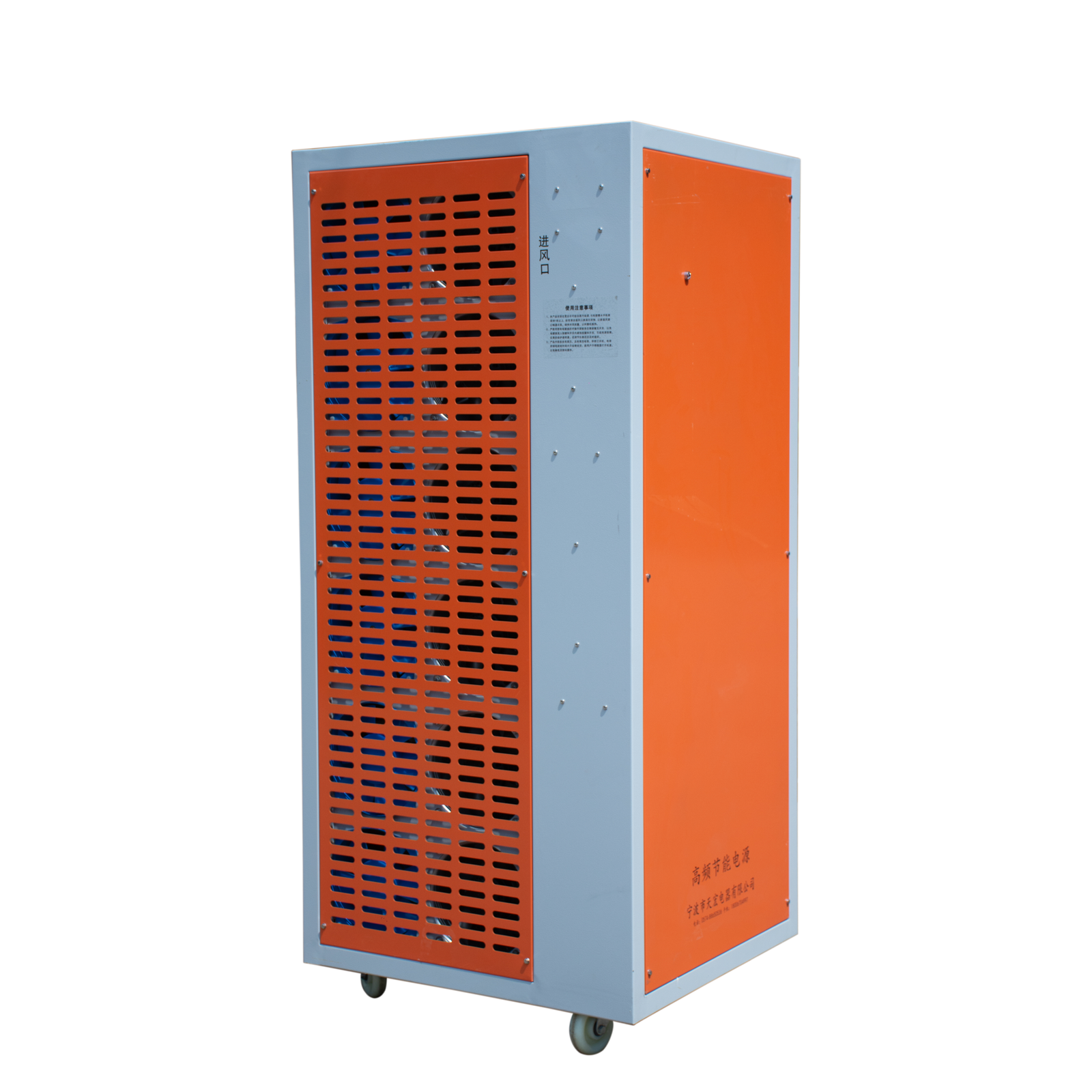
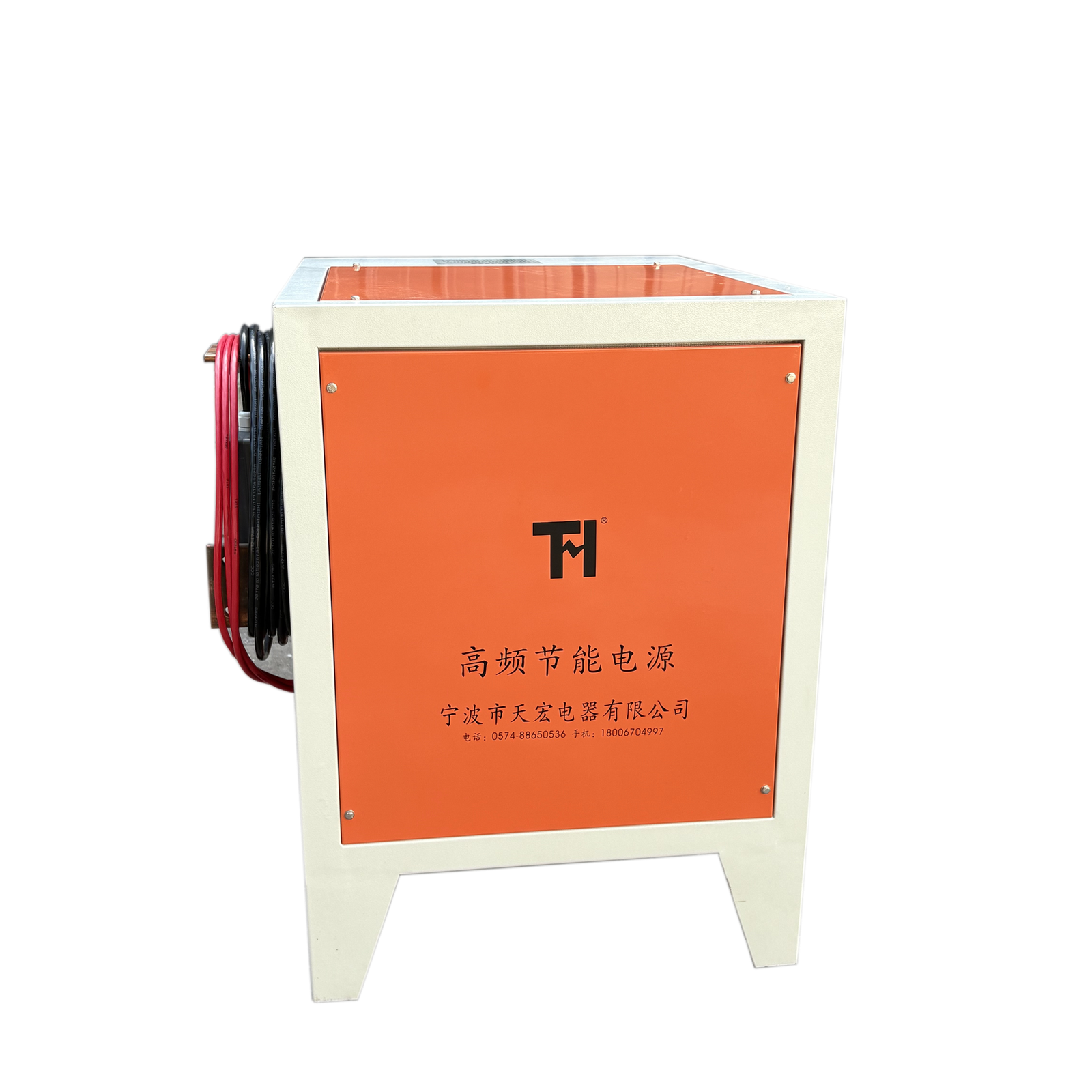
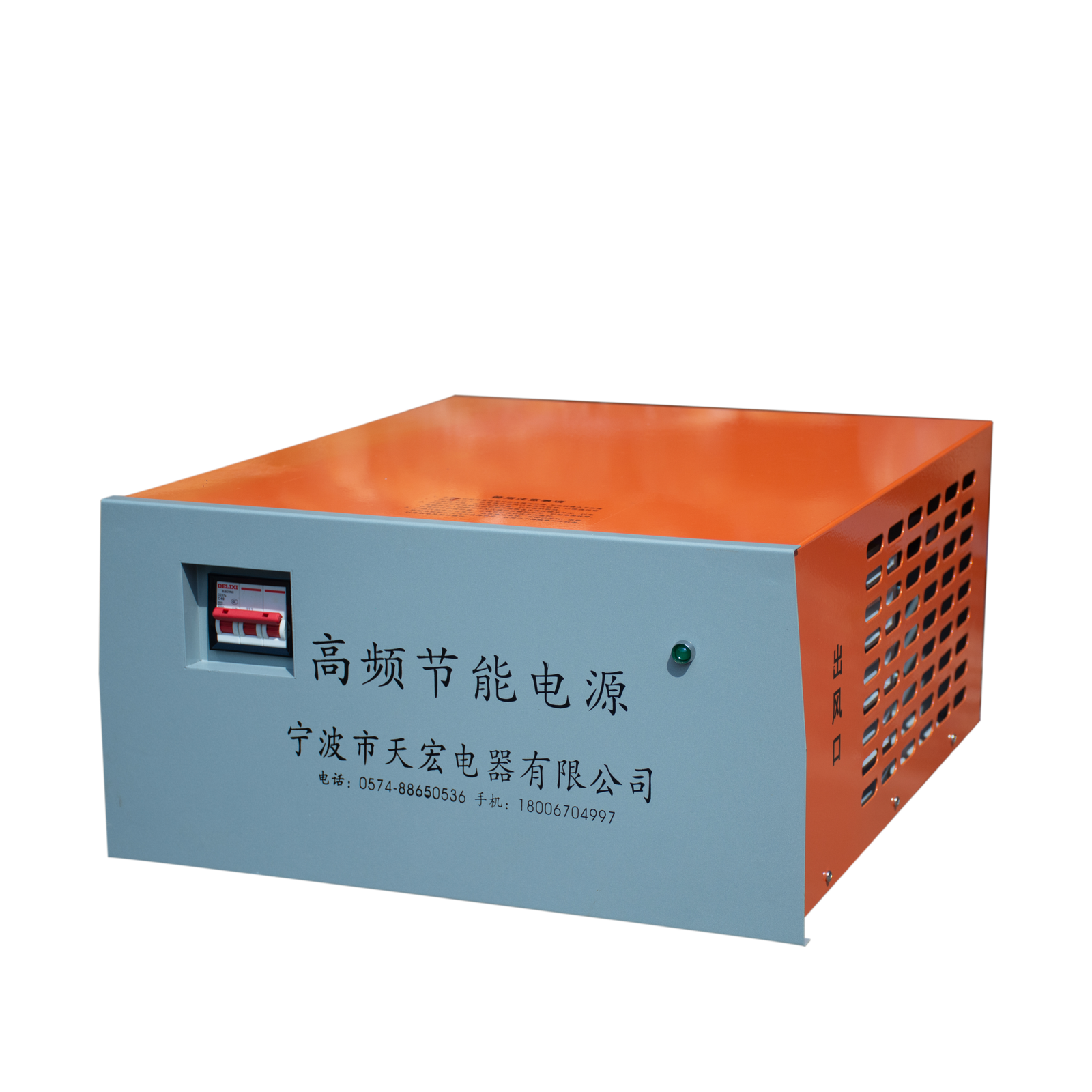
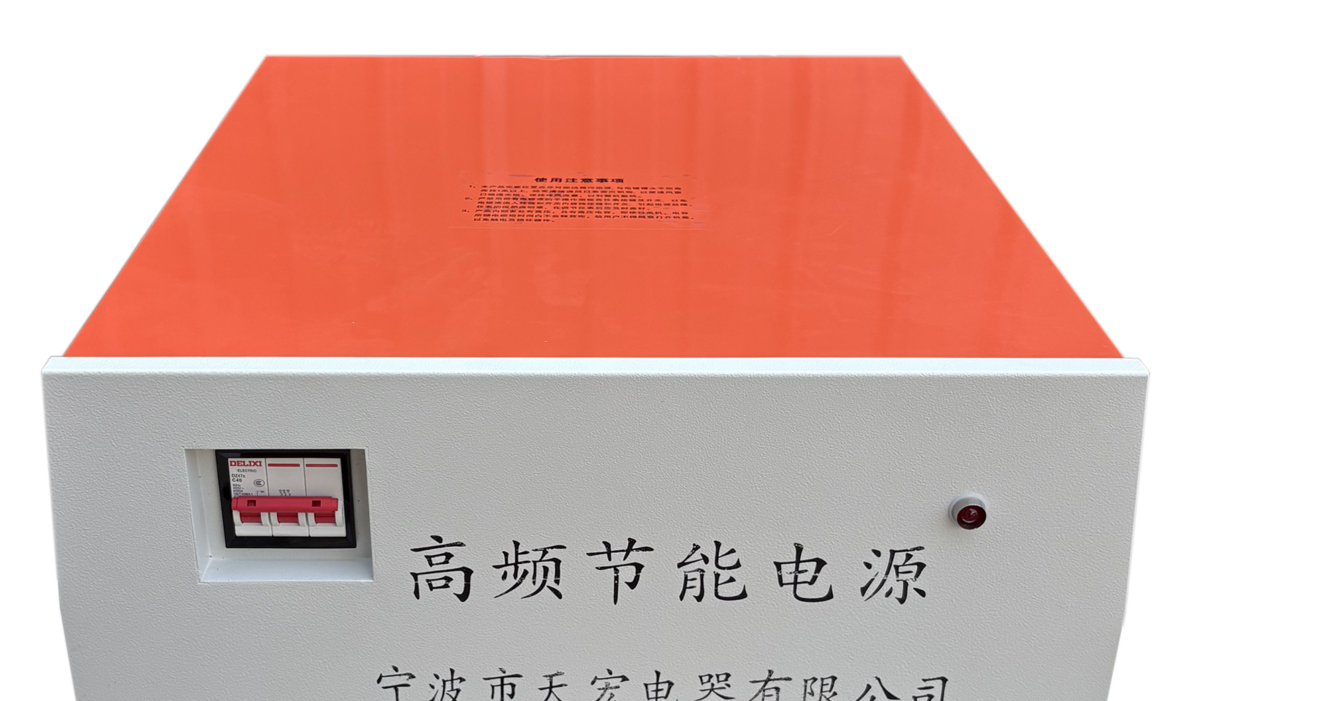
100V100A

Electrolytic Power Supply

Electrolytic Power Supply is a specialized industrial DC power source designed to deliver stable, precise, and controllable electrical output for electrochemical processes. It is widely used in industries such as electroplating, surface treatment, anodizing, metallurgy, hydrogen production, battery manufacturing, and semiconductor processing. By ensuring low ripple, high stability, and accurate current and voltage control, electrolytic power supplies play a critical role in maintaining process consistency, product quality, and energy efficiency, making them an essential core component in both traditional manufacturing and emerging clean-energy applications.

An Electrolytic Power Supply is a specialized industrial DC power system engineered to deliver highly stable, precise, and adjustable electrical energy for electrochemical processes. It plays a fundamental role in industries where electricity is not merely a source of power, but an active participant in chemical and physical transformations. By converting and regulating electrical energy with high accuracy, electrolytic power supplies ensure that electrochemical reactions proceed in a controlled, repeatable, and efficient manner, directly influencing product quality, process reliability, and overall production performance.

Electrolytic power supplies are most commonly associated with electroplating and surface treatment industries, where they are used to deposit metal coatings such as nickel, chromium, copper, zinc, gold, and other functional or decorative layers onto substrates. In these applications, the quality of the final coating—its thickness uniformity, adhesion strength, surface finish, corrosion resistance, and appearance—depends heavily on the stability of the output current and voltage. Even minor fluctuations can result in defects such as pitting, burning, uneven deposition, or poor bonding. A high-performance electrolytic power supply minimizes ripple, maintains constant output under varying loads, and allows precise adjustment of process parameters, ensuring consistent and repeatable results across large-scale production lines.

In anodizing and electrolytic polishing, electrolytic power supplies are equally critical. Anodizing processes rely on controlled oxidation to form protective or decorative oxide layers on metals such as aluminum, magnesium, and titanium. The power supply determines oxide layer thickness, porosity, hardness, and color uniformity. In electrolytic polishing, precise current control enables selective material removal at the microscopic level, producing ultra-smooth, clean, and corrosion-resistant surfaces. These processes are widely used in aerospace, medical devices, food processing equipment, and architectural materials, where surface quality and durability are non-negotiable.

Beyond surface engineering, electrolytic power supplies are deeply integrated into the metallurgical and materials processing industries. They are used in electrorefining and electrowinning processes to extract and purify metals such as copper, aluminum, zinc, nickel, and rare metals. In these applications, the power supply directly impacts energy efficiency, metal purity, production yield, and operating cost. High-capacity electrolytic power supplies are designed to operate continuously under harsh industrial conditions, delivering large currents with exceptional thermal stability and electrical reliability.

With the global shift toward sustainability and decarbonization, electrolytic power supplies have become a cornerstone of the new energy and hydrogen production sectors. In water electrolysis systems for green hydrogen generation, the power supply converts electrical energy—often sourced from renewable energy such as wind or solar—into the precise DC power required to split water into hydrogen and oxygen. The efficiency, lifespan, and safety of electrolyzers are closely tied to the quality of the power supply. Advanced electrolytic power supplies support high current densities, fast response times, and intelligent control strategies, enabling stable operation under fluctuating renewable energy inputs and contributing to lower hydrogen production costs.

In the battery and energy storage industry, electrolytic power supplies are used in the production and testing of lithium-ion batteries, solid-state batteries, and other advanced energy storage technologies. They support processes such as electrode coating, formation cycling, electrochemical testing, and material research. Precise current and voltage profiles are essential for achieving optimal battery performance, safety, and longevity. As energy storage systems become more critical to electric vehicles, grid stabilization, and portable electronics, the demand for high-precision electrolytic power supplies continues to grow.

The semiconductor and electronics manufacturing sectors also rely heavily on electrolytic power supplies. They are used in printed circuit board (PCB) fabrication, wafer processing, electroforming, and micro-fabrication processes. In these highly sensitive environments, power supplies must offer extremely low ripple, fast dynamic response, and advanced digital control to meet stringent process tolerances. Any instability can lead to defects at the micron or nanometer scale, resulting in significant yield loss. As electronic devices become smaller, faster, and more complex, the performance requirements for electrolytic power supplies become increasingly demanding.

From a technological standpoint, modern electrolytic power supplies integrate advanced power electronics, digital control systems, and intelligent monitoring capabilities. Features such as programmable output, multiple control modes (constant current, constant voltage, pulse output), remote communication interfaces, fault diagnostics, and energy optimization functions enable seamless integration into automated production lines and smart factories. These capabilities allow manufacturers to improve process control, reduce downtime, enhance safety, and lower operating costs.

In summary, the electrolytic power supply belongs to the intersection of industrial power electronics and electrochemical engineering. It is a mission-critical component across traditional manufacturing, high-end precision industries, and emerging clean-energy technologies. While often operating behind the scenes, its performance directly defines the efficiency, quality, and scalability of electrochemical processes. As industries continue to pursue higher precision, greater sustainability, and smarter manufacturing, electrolytic power supplies will remain an indispensable foundation of modern industrial infrastructure.