
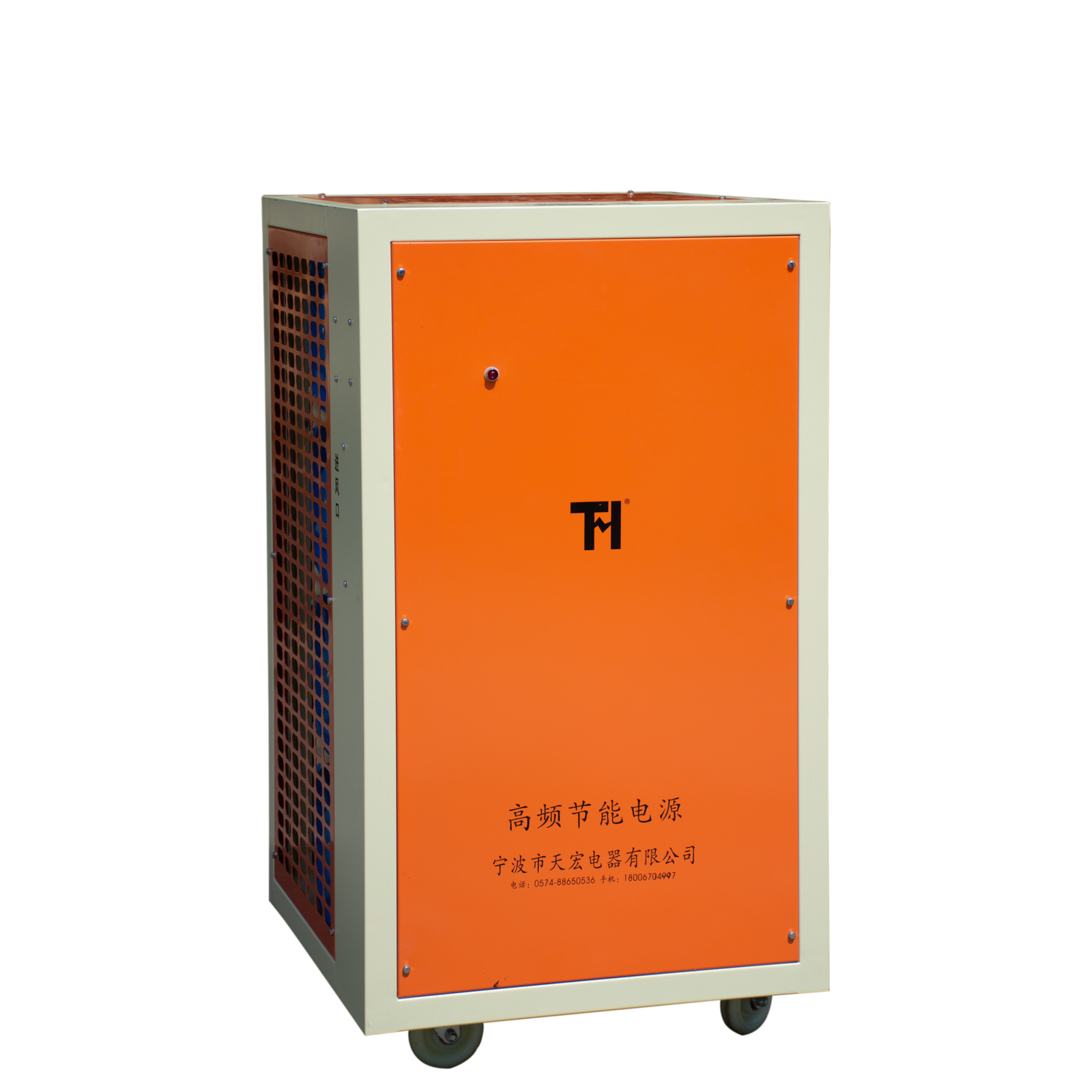
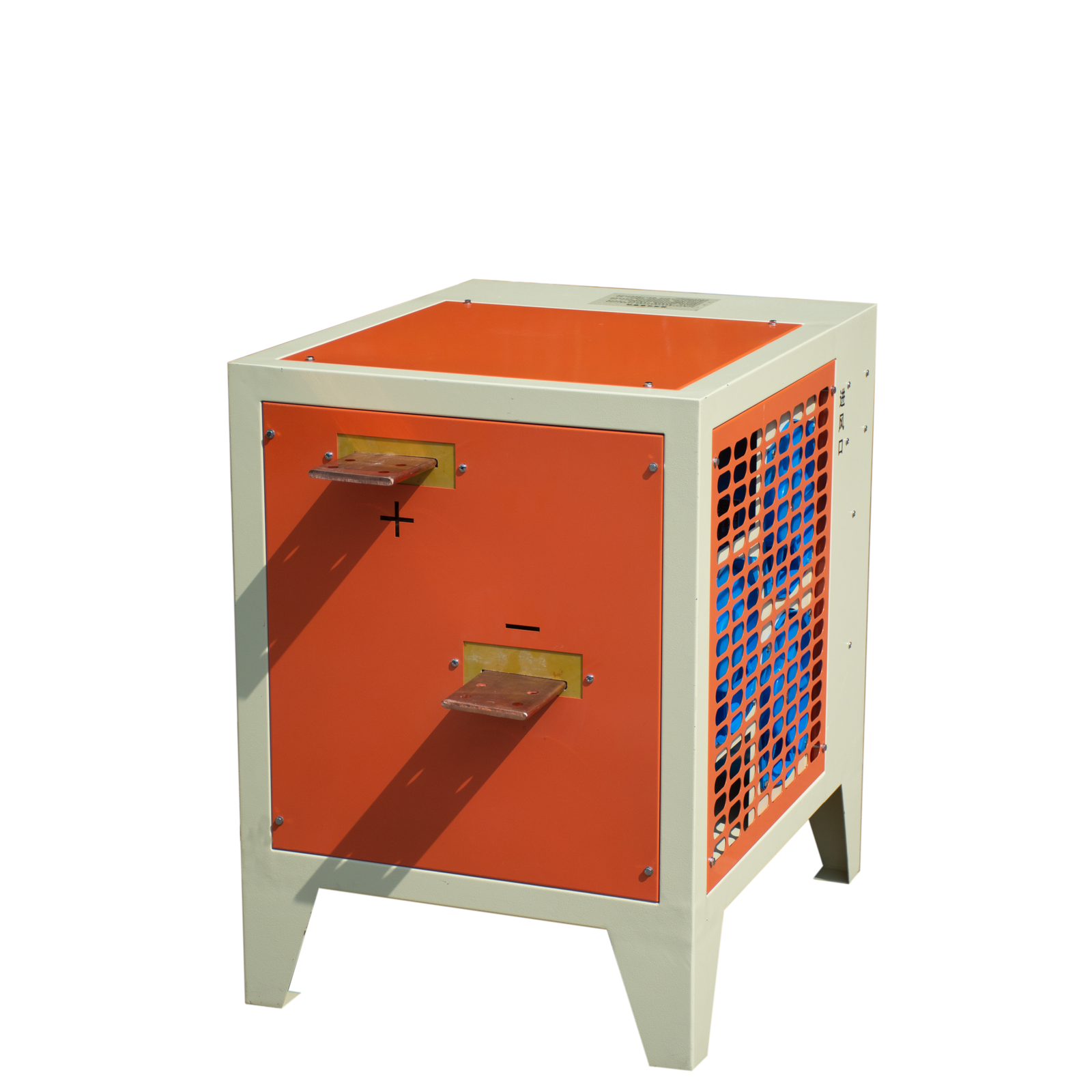
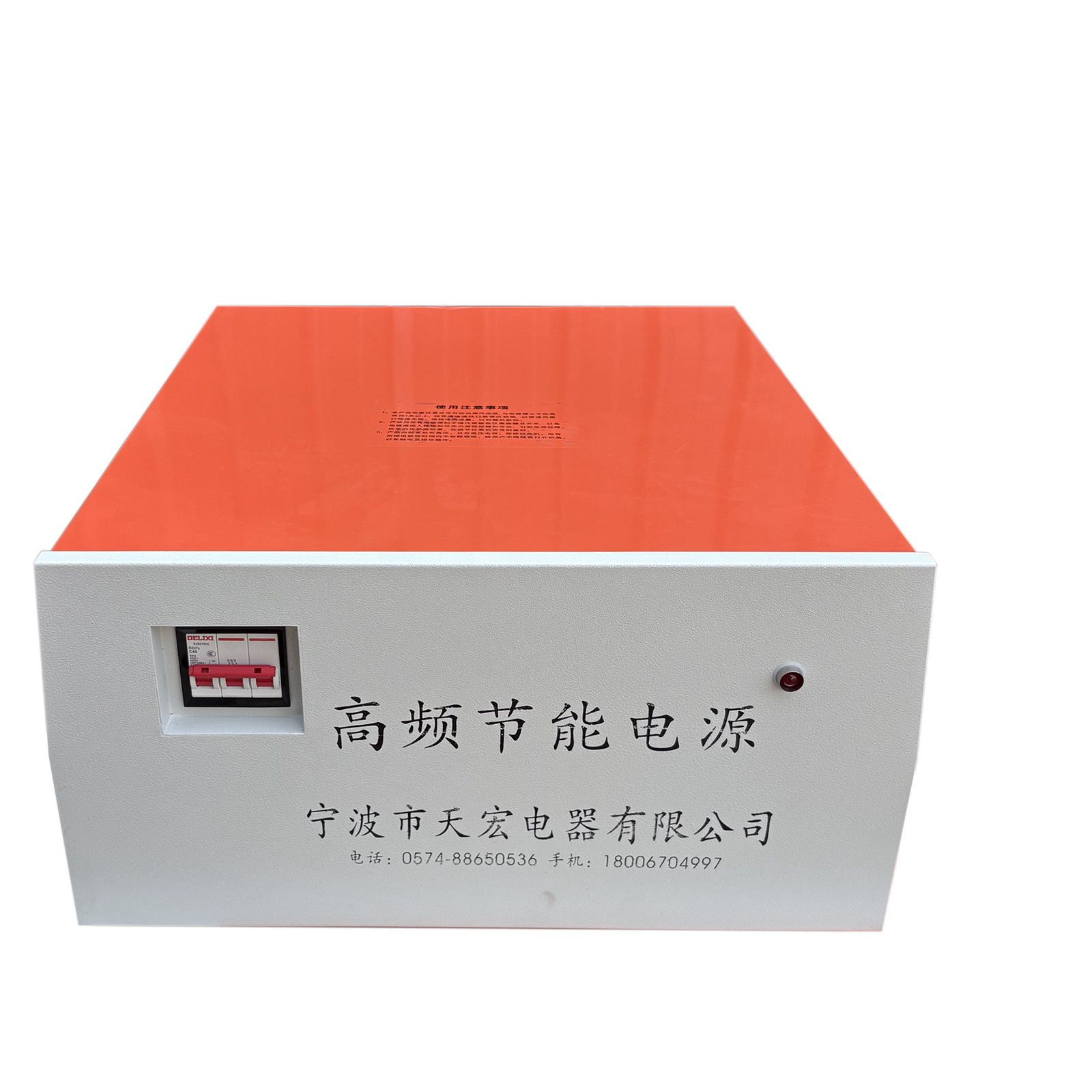
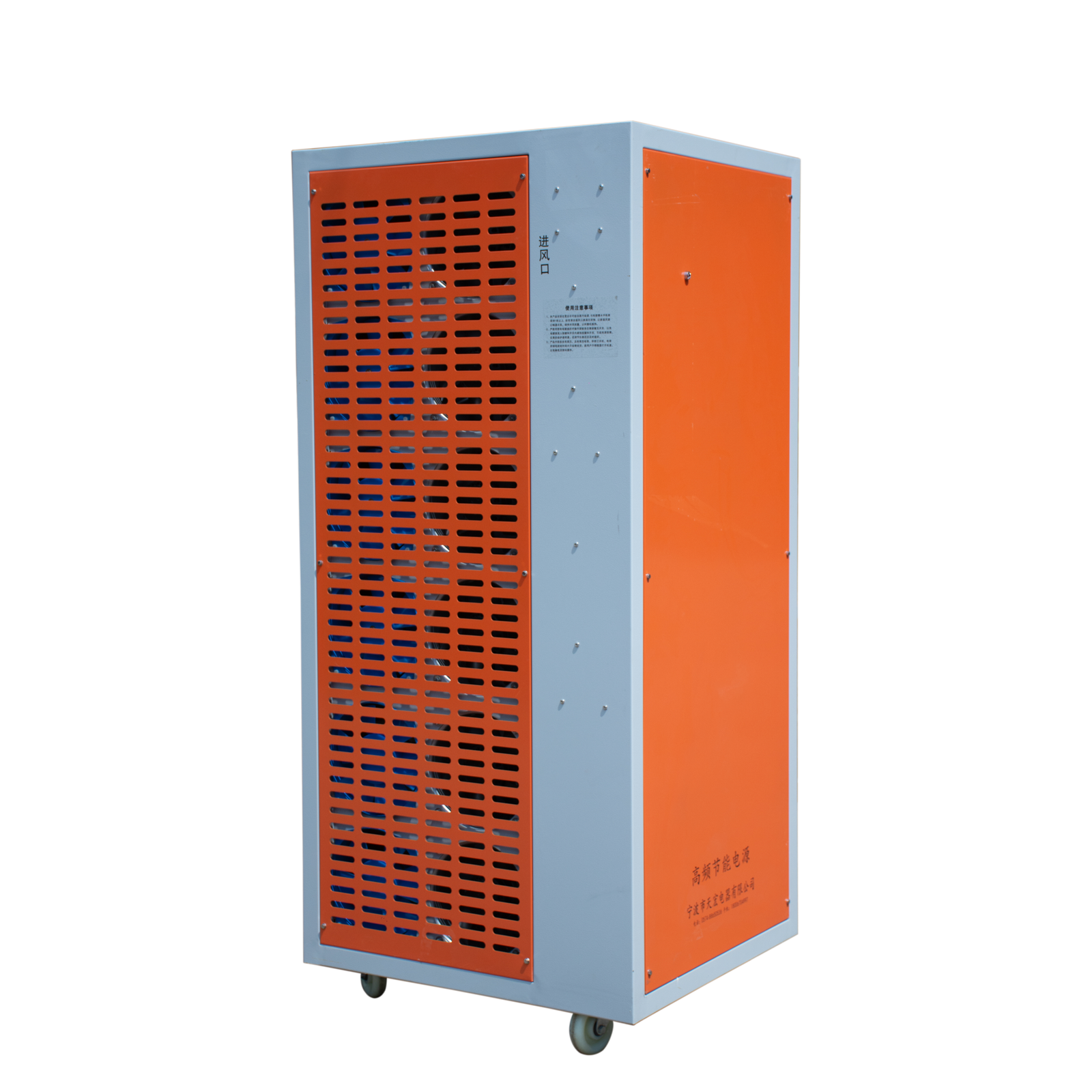
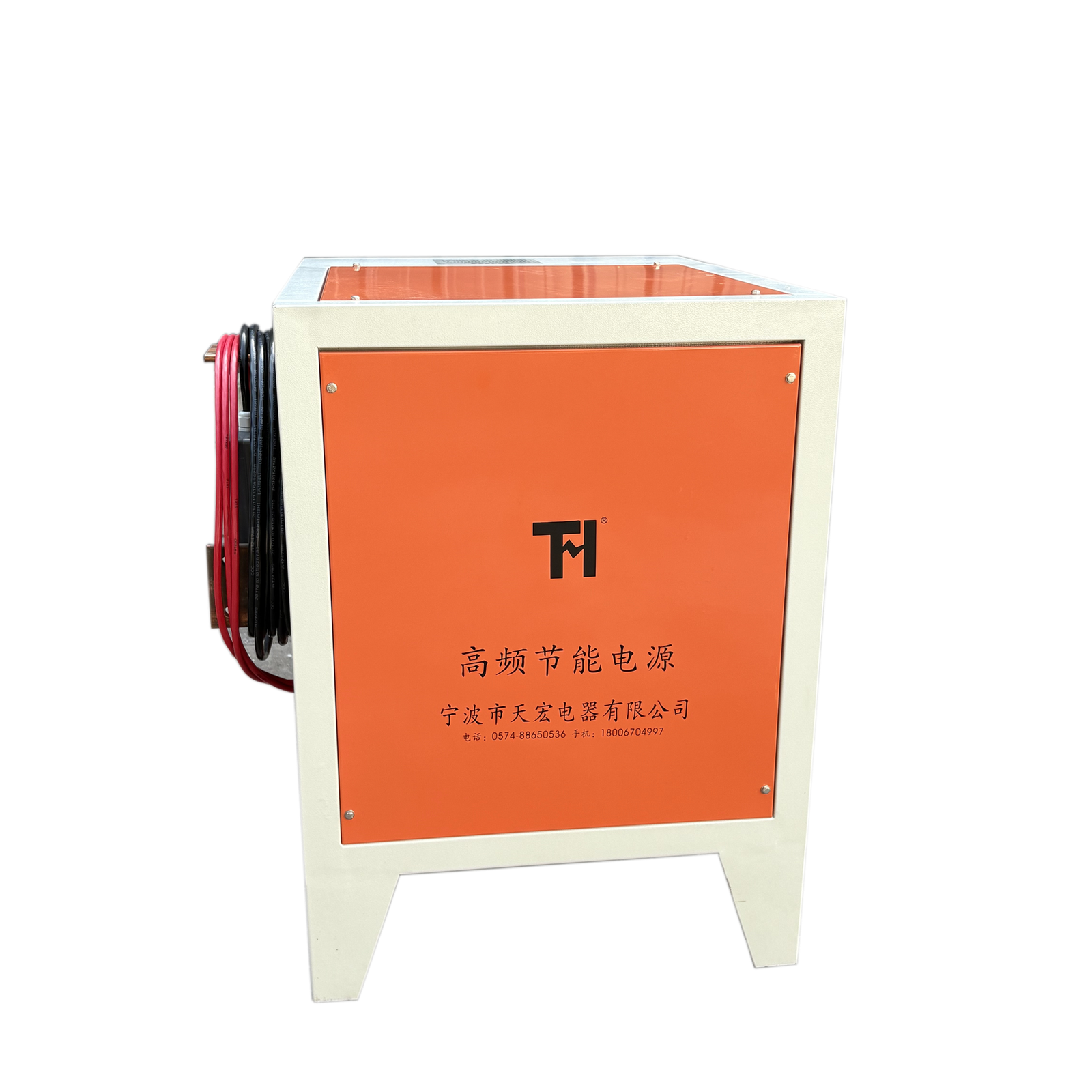
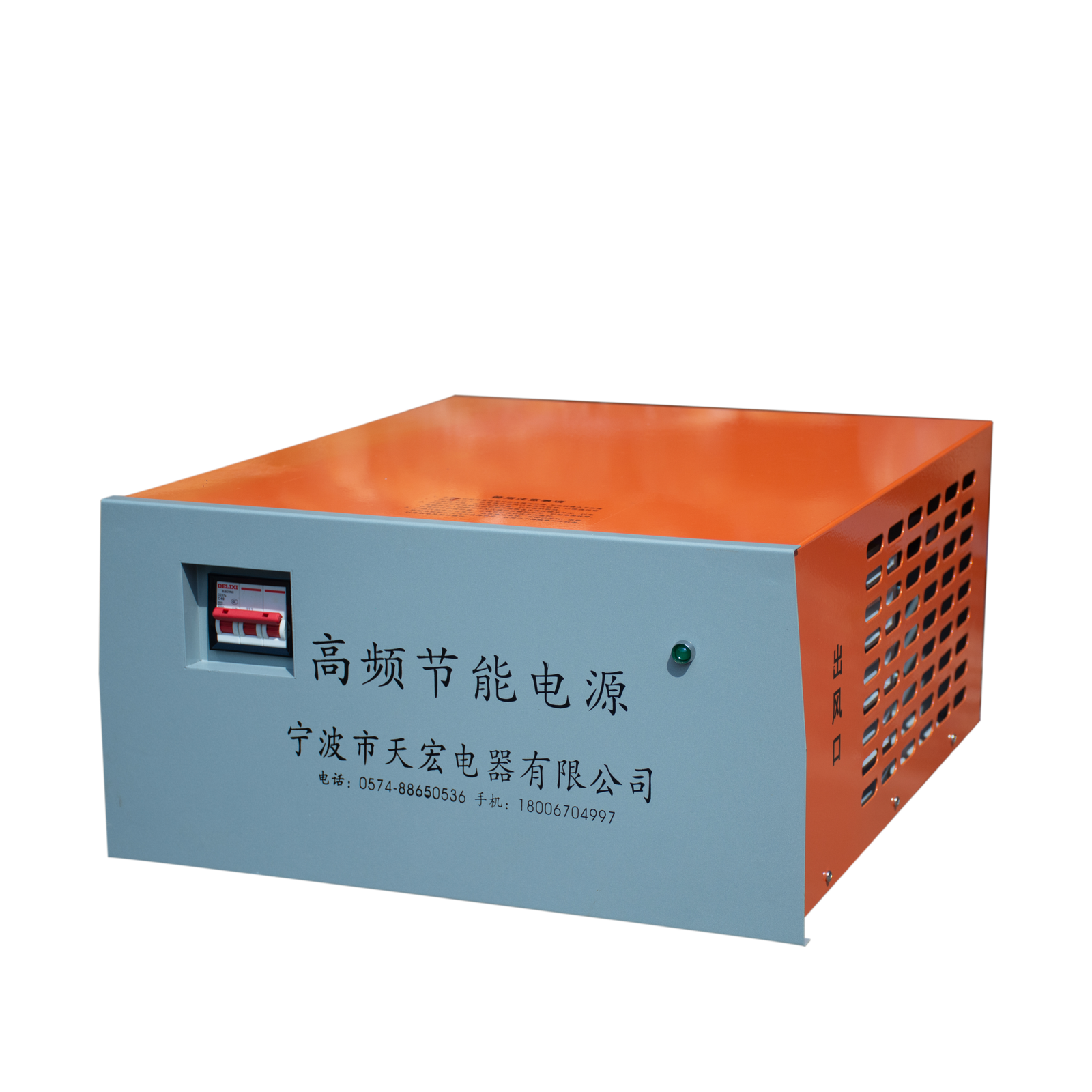
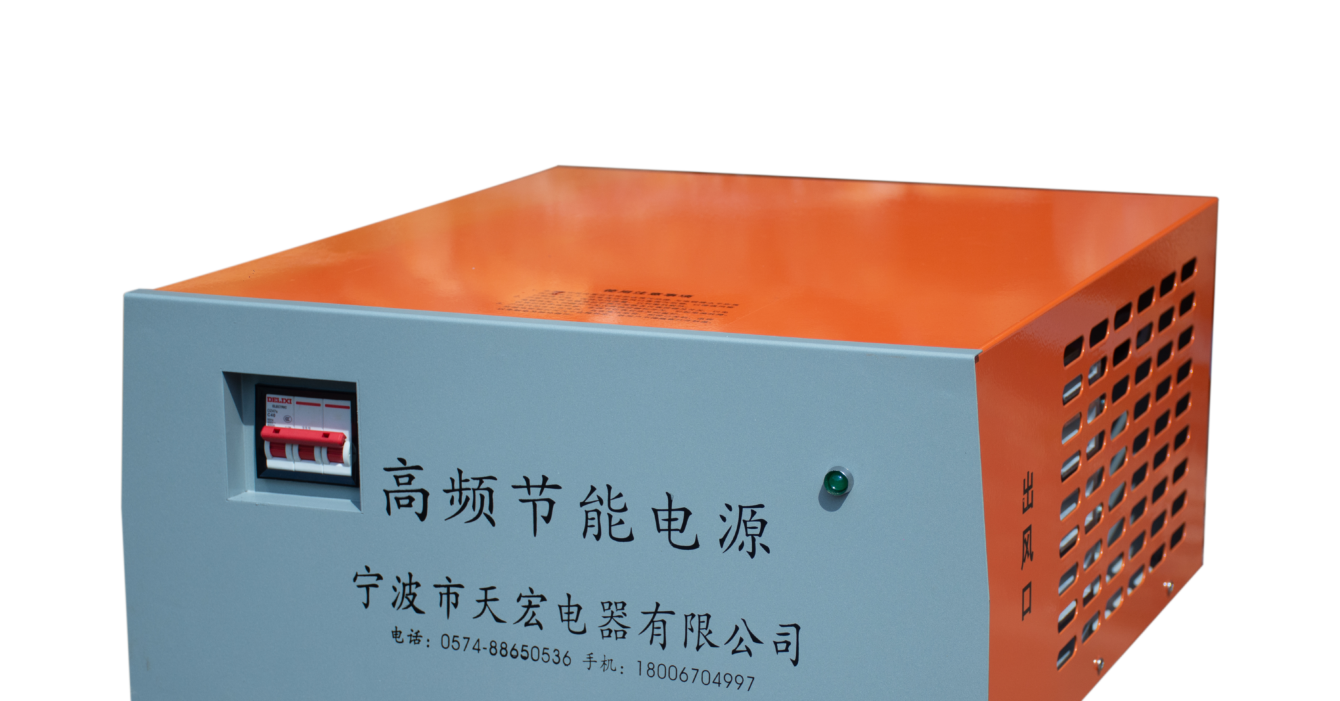
Surface oxidation processes such as anodizing are essential for transforming ordinary metals into high-performance materials. At the core of these processes lies the Oxidation Power Supply, a specialized DC power system designed to control electrochemical oxidation with precision and stability.
Oxidation power supplies are widely used in aerospace, automotive, electronics, construction materials, and renewable energy industries. By precisely regulating voltage and current, they enable the formation of uniform oxide layers that enhance corrosion resistance, wear resistance, electrical insulation, and surface aesthetics.
In anodizing applications, materials like aluminum and titanium are converted into durable oxide layers whose properties depend heavily on electrical control. Ripple, voltage instability, or slow response can lead to uneven thickness, color inconsistency, or structural defects. Modern oxidation power supplies eliminate these risks through programmable output modes, low ripple design, and real-time monitoring.
High-capacity oxidation power supplies support large-scale production lines, maintaining stable output across multiple treatment baths and extended operating cycles. At the same time, digital control and data logging make them compatible with smart manufacturing and Industry 4.0 systems.
Beyond production, oxidation power supplies are also vital in research and development, where engineers explore new surface treatments and advanced coatings. The ability to precisely adjust electrical parameters enables innovation in materials science and surface engineering.
Ultimately, oxidation power supplies are the silent architects of durability. They ensure that protective and decorative oxide layers perform exactly as intended—today, tomorrow, and years into service.